
The Future of State Disaster Funding: Three Things to Know
summary
- Changes in federal support and FEMA's role in disaster mitigation may mean states are expected to become the primary source of disaster support for local communities.
- A recent report from the Pew Charitable Trusts found significant deficiencies in state budgets for disasters.
- Planners can play a role in improving state mitigation and disaster recovery strategies to boost local resilience.
The role of state governments in mitigating and responding to natural hazards is expected to increase significantly in the coming years. The writing is on the wall: climate change continues to drive increasingly frequent and severe storm events across the country, but continued federal funding for mitigation and post-disaster recovery is uncertain at best. Combined with potential changes to reduce FEMA's role in mitigation and response, this may leave states as the primary source of disaster support for local communities.
A recent report by the Pew Charitable Trusts surveys the condition of states' budgets and their ability to effectively respond to and recover from natural disasters. Unfortunately, the news isn't good. Pew's research found significant deficiencies in how much states budget for disasters, how they allocate that money across different state agencies, and how that money is ultimately used at the local level.
State Actions Can Strengthen Local Resilience
But there's hope. The report offers a roadmap for change, identifying six key recommendations for states to better prepare for the disasters of tomorrow. Furthermore, these recommendations stress the importance of funding and supporting local resilience planning capacity and increasing investments in local mitigation.
Here are three key points for planners to know about how improving state mitigation and disaster recovery strategies can boost local resilience:
1. States should invest in proactive, long-term disaster mitigation
State funds are primarily spent in response to disaster impacts, rather than on pre-disaster mitigation. However, the report emphasizes that investing in preparedness, long-term mitigation, and preventing (or minimizing) impacts is far more efficient and consequential in protecting lives and property. If states shift their focus to long-term mitigation, in contrast to post-disaster response, it will prioritize the work of local planners and planning departments.
2. Centralized resilience offices improve coordination and planning
Funds and responsibilities related to state disaster response, mitigation, and recovery are often divided across an array of different state agencies. The report highlights the role of state resilience officers and centralized state-level mitigation planning departments as a possible remedy for coordinating across state agencies — and among local municipalities. Greater coordination with municipalities can help to elevate the work of planners in these efforts.
3. Federal pullback exposes and motivates strengthening state preparedness
A broad federal pullback from this area will likely shine a spotlight on deficiencies in state and local capacity, funding, and expertise for disaster preparedness, recovery, response, and mitigation. But as the saying goes, don't let a good crisis go to waste. This can be a wake-up call for states to evaluate and improve their overall capacity to weather these potential impacts. And if states are better prepared, planners and their communities will be better supported when the next disaster strikes.
Planners Should Proactively Engage
But the onus is not just on states to take action. Planners can be proactive as well. If your state has one, reach out to the state resilience office and start a dialogue. This can get the ball rolling and help to ensure a seat at the table for local planners on the value of local mitigation. This can also be a great opportunity to understand the extent to which state departments are preparing for potentially increasing responsibilities within the disaster and mitigation space. And make sure you're informed about the bad, the ugly, and the possibilities for change by reviewing the detailed findings and recommendations in Pew's report, How States Can Build Disaster-Ready Budgets.
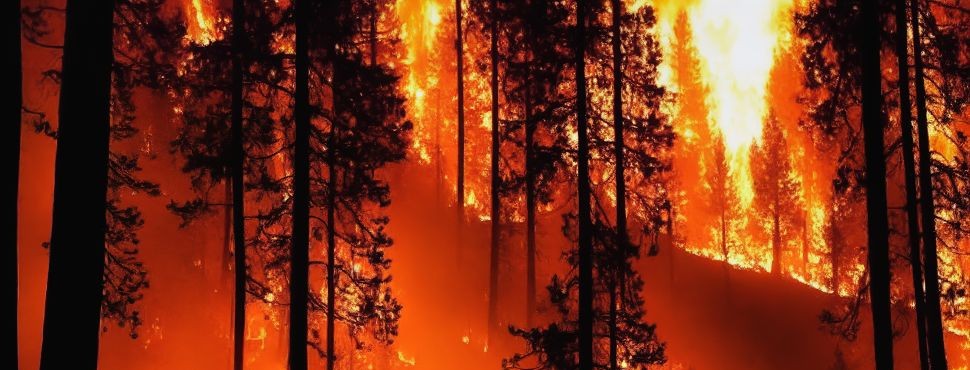
Top image: Pong Ch/Shutterstock
ABOUT THE AUTHOR