
Planner Profile: Meet Michael Clark, AICP
Planner Profile is a series spotlighting the unique experiences of our peers who are making a difference in the profession and at APA.
Michael Clark, AICP, is the community and economic development director in Collierville, Tennessee. Clark is a member of the Tennessee Chapter of the American Planning Association, as well as the APA New Urbanism and Economic Development divisions.
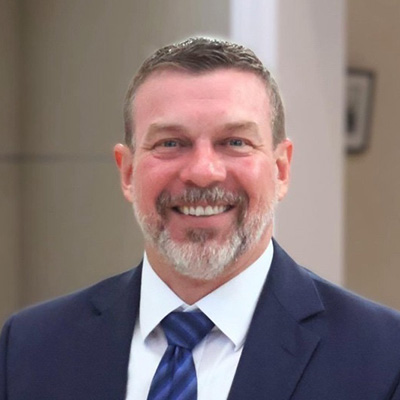
Michael Clark, AICP. Photo courtesy of Michael Clark.
How did you discover planning as a profession?
I began my undergraduate studies as a landscape architecture major, but during my first semester, the university discontinued the program following the unexpected resignation of a professor. The registrar’s office transitioned me into the planning program, believing it aligned most closely with my original interests.
At the time, I had little understanding of what planning actually entailed and initially intended to transfer to another university. However, a friend posed a question that changed my perspective: why limit myself to designing gardens when I could help design entire cities?
That question prompted me to explore the field of planning more deeply, and the more I learned, the more I realized it was exactly the career path I had been searching for.
What aspect of your work have you found most fulfilling?
The most fulfilling aspect of my work is the opportunity to improve the lives of others while contributing to a lasting legacy that often goes unseen and unacknowledged. A few years ago, I returned to the first community where I worked as a planner. I was able to see the results of my efforts firsthand. Although the changes were modest, watching families enjoy spaces that I had helped shape reinforced the pride and purpose I find in my work. That experience strengthened my hope of one day returning to other communities where I have worked to observe how people interact with the built environment over time.
There is something deeply meaningful about helping create places where people connect, build memories, and strengthen their sense of community, knowing those spaces may continue to serve future generations long after my involvement has ended.
If you could create the perfect community, what would it be like?
The ideal community for me is a walkable environment that balances historic character, a lush tree canopy, vibrant public spaces, experiential retail, active nightlife, and welcoming local coffee shops. I value places where buildings and streets are designed at a pedestrian scale, fostering connection and accessibility, and where elected officials collaborate with the community rather than work in opposition to it. It is a place that maintains its identity while remaining innovative and proactive in addressing emerging development trends and evolving societal needs. It is also a community where people build meaningful relationships and develop a strong sense of belonging.
At the same time, I recognize that these preferences are personal. Effective planning requires understanding the diverse needs and aspirations of all residents and creating opportunities for communities to shape environments that reflect their shared vision and enhance quality of life for everyone.
What is your favorite third space?
Currently, my favorite third place is the Historic Town Square in Collierville, Tennessee. Having worked in the community, I have had the opportunity to experience firsthand how the Square functions as the heart and soul of the town.
A few years ago, when I traveled to Collierville for my interview, my first stop was not the hotel, it was Town Square. During my research, the images of the Square seemed almost too idealized: a walkable, active, and community-centered environment that felt increasingly rare. Experiencing it in person confirmed that places like this can still thrive, and I am grateful to now play a role in helping sustain it.
The Square is framed by a mix of local retail shops, restaurants, and gathering spaces that encourage everyday interaction, while the public space itself serves as a central destination for residents and visitors alike. Events such as the annual Christmas tree lighting, which attracts thousands of visitors from multiple states, the Thursday night summer concert series organized by the Main Street program, impromptu car shows, weddings at the gazebo, prom photos near the railroad depot, and the "Fair on the Square" in the spring all reflect how shared spaces support traditions, strengthen social connections, and reinforce community identity across generations. The surrounding neighborhoods, which include both historic homes and newer infill developments influenced by new urbanist principles, further enhance the walkability and enduring appeal of this exceptional third place.
Together, these elements demonstrate how thoughtfully designed and activated public spaces can preserve community identity, foster belonging, and remain meaningful as communities evolve over time.
Want to be the next Planner Profile? Fill out this form to help us get to know you better.