

June 11, 2026
Tourism has long been an economic development cornerstone for communities across the world. Increasing globalization, international air travel, the growth of social and global media, and the emergence of new global cities are all driving what is now an 11-trillion-dollar industry representing 10 percent of the global economy.
But that industry is under new pressure. Trade disputes, geopolitical conflict, and shifting U.S. policies are introducing economic uncertainty and souring international travel sentiment — driving up costs, dampening demand, and prompting travelers to think twice about where, and whether, to go.
Planners have played a crucial role in the development of the tourism sector as a tool for local revitalization and as a generator of revenue for cities and communities. But trends in travel and leisure can change, and places themselves are changing due to environmental and societal shifts. Planners in the tourist hotspots of today — and the emerging (and declining) ones of tomorrow — should be prepared for whatever the future might bring.
The trials of TikTok tourism
Social media influencers play a massive role in today's tourism industry. Some have inked deals with travel companies, brands, or local tourism boards, and others act as unofficial marketers, photographers, and documenters of locales across the world.
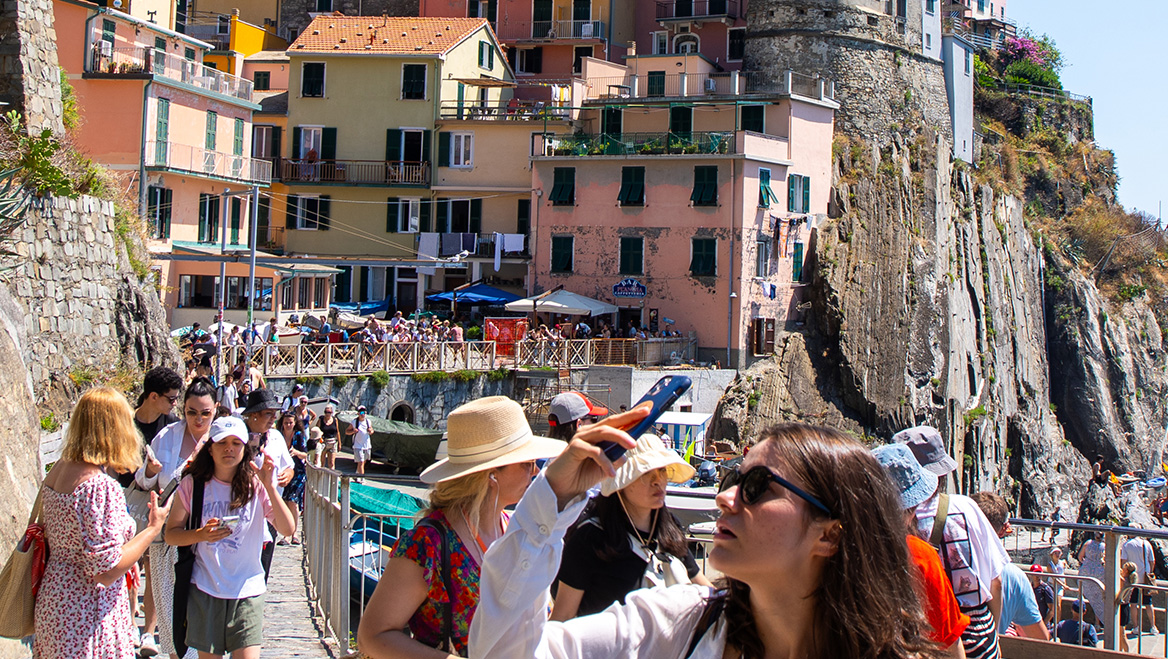
Social media-driven booms can lead to major economic benefits as well as significant drawbacks. Surges of visitors drawn by "TikTok tourism" are fueling pushback from locals and causing negative impacts, in places ranging from tiny Italian coastal villages to a Japanese town with views of Mount Fuji. Social media has helped grow tourism in Nashville over the last decade, but the city must now address growing conflicts between residents and tourists, disruptive "transpotainment" vehicles in the downtown district, and housing affordability challenges worsened by a short-term rental boom.
Furthermore, cities and even entire countries are learning to tap tourism influencers to shape narratives about places and drive economic change. To counter the perception of high crime in Chicago at a time when crime is at historic lows, the city launched a social media campaign to promote the city's culture to potential tourists. In the United Arab Emirates, Dubai's tourism strategy includes cultivating an image of influencer hotspot, with the city's tourism board recently launching what they call the world's first "influencer training program."
Unpredictable shifts in social media trends are difficult to plan for, but planners may be called upon to deal with negative downstream consequences of tourism. A social media–driven tourism boom in a sleepy seaside town may require planners to develop short-term rental policies or weigh in on long-term transportation infrastructure needs.
The long-term effects of short-term rentals
Short-term rentals, such as Airbnb, have been a disruptive force within the tourism sector for more than a decade. Aside from competing with the global hotel industry, the massive growth of short-term rentals is leading to increasing concerns around high housing prices and significant impacts on the lives of residents. In cities such as Barcelona and Lisbon, the impacts of overtourism have led to sustained public protests, and a growing focus on short-term rentals as a possible cause for high housing prices, gentrification, and displacement.
While cities such as New York have developed a wide range of regulations centered on restricting short-term rentals, there are increasing doubts that the stricter regulatory approach of major cities is having a meaningful impact on housing costs. In June 2025, the European Union considered a large-scale ban on short-term rentals with leasing periods of less than 90 days. However, given the reliance of many cities within the EU on tourism as a major industry, and concerns for the rights of property owners, in December 2025, the EU instead elected to empower cities to more forcefully regulate short-term rentals on their own.
Planners should be aware of the dynamics around the growth of short-term rentals and the potential ways they may impact their communities.
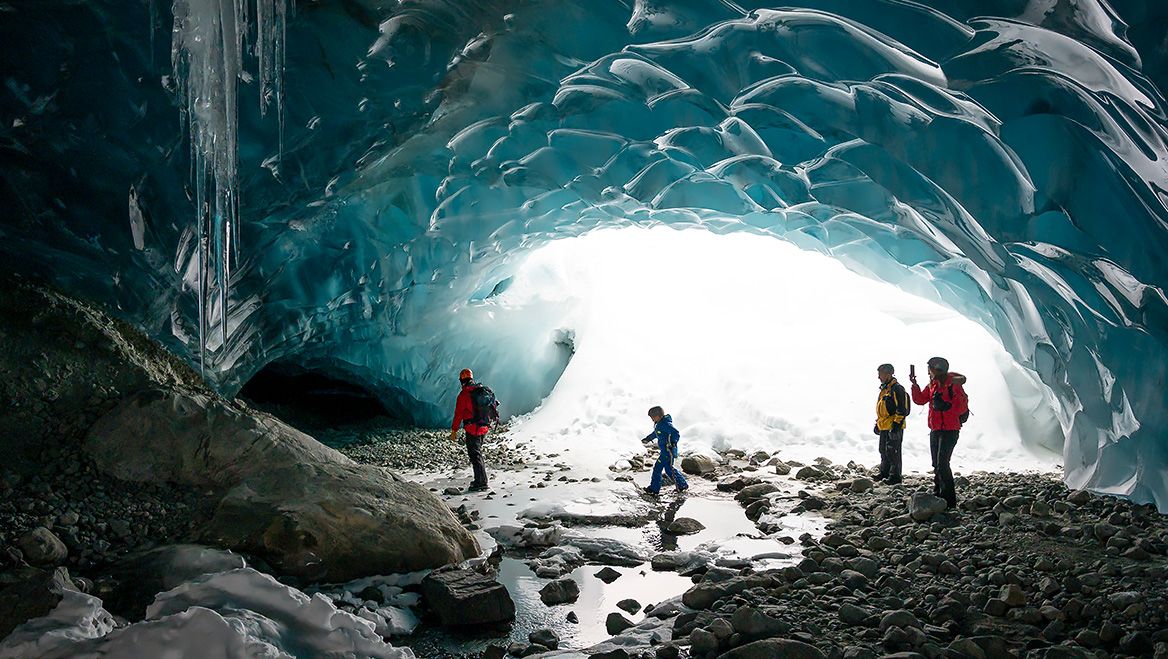
As weather patterns change and threaten traditional tourist hotspots, travelers are flocking to colder destinations like Iceland for wintry activities. Photo by AscentXmedia/E+.
As the climate goes, so goes tourism
In some places, the impact of climate change on tourism — and by extension on local economies — is emerging as an existential threat. In the U.S., national parks are already coping with extreme heat and weather disasters that are depressing visitor numbers. This may become an increasing challenge as the Trump administration increasingly seeks to downplay potential climate impacts at national parks.
Meanwhile, in the south of Europe, summer hotspots in Spain, Italy, France, and Greece that were once vacation havens from oppressive heat are now seeing tourism threatened by that same heat. Climate change is also boosting "last-chance tourism" to attractions threatened by global warming, such as glaciers and coral reefs. Though some researchers suggest these visitors might become more climate-conscious as a result, this practice puts additional pressure on these vulnerable places.
Even as climate change impacts roil some traditional tourist hotspots, others are starting to emerge. The rise of "coolcations" points to a changing geography of summer travel, as northern Europe, Canada, and other cooler places see increased tourism. In response to local climate impacts on the tourism industry, planners in affected communities may be asked to revise economic development plans and strengthen climate adaptation plans to better prepare for and respond to these emerging threats.
The journey ahead
Planners have played a crucial role in the evolution of tourism as a cornerstone of the global economy. Awareness of how this industry is rapidly evolving and impacting local landscapes, economies, and cultures is an essential first step in preparing communities to adapt and continue to thrive. As new trends give way to increasing disruption, planners are likely to remain on the frontline of navigating and confronting these growing uncertainties.
RECOMMENDED ARTICLES